Man and van in Sipson for practical home and business moves

Our man and van in Sipson is built for customers who want a straightforward moving service without unnecessary complication. We handle local transport for household items, single pieces of furniture, small loads, and carefully planned moves where a full removal lorry would be more than is needed. The aim is to keep the work organised, protected and efficient, with clear communication and sensible loading so your items arrive in the right condition.
If you are moving within Sipson or transferring belongings to another part of west London, the service can be shaped around the job rather than forcing you into a fixed package. That might mean a one-off furniture collection, help with moving the contents of a room, or a simple point-to-point move for boxes and household goods. We focus on the practical details that matter: access, lifting, loading order and careful placement at the destination.
To compare the options and send us your requirements, you can request a quote in plain English and we will take it from there. Tell us what needs moving, where it is going and any access details that may affect the plan.
House moves, room moves and smaller domestic removals
Many customers come to a man and van service because the job is domestic but not large enough to justify a major operation. We can assist with partial house moves, student-style loads, temporary relocations and the removal of selected belongings from a property. That includes boxes, small appliances, soft furnishings and other items that are manageable but still benefit from a vehicle and helping hands. It is a practical choice when you want the essentials moved with care rather than with fuss.
For household moves, it helps to think about the journey as a sequence rather than a single lifting task. Items need to be grouped sensibly, heavier objects placed securely, and fragile pieces separated so they do not shift during transit. If you are moving from a flat, a terraced house or a property with tighter access, those details shape the work more than the distance itself. Good planning reduces wasted effort and keeps the move calmer on the day.
When a smaller load is the best fit
A man and van arrangement is often right for jobs that sit between a courier run and a full household removal. For example:
- moving a few large furniture items
- taking boxes and personal belongings to a new address
- collecting items from storage or another property
- transporting a mixed load after decluttering
- helping with an end-of-tenancy clearance of selected contents
Furniture collection, deliveries and careful loading

We also help with furniture pick-up and delivery work where the main need is safe transport rather than packing a whole property. Sofas, wardrobes, beds, tables and boxed flat-pack items all need different handling, and a sensible loading order matters. Larger objects are secured first, then smaller pieces are packed around them so movement in transit is reduced. If an item needs to be separated into sections, that can make lifting and carrying easier, but only when the furniture itself allows it.
This kind of work is useful when you have bought something privately, arranged a collection from a seller, or need a bulky item moved from one location to another without handling the transport yourself. We keep the process simple and practical, with attention paid to doorways, stairs, narrow corridors and parking arrangements. Where a piece is awkward, the right approach is usually the one that protects both the furniture and the surrounding property.
If you are planning a collection or a delivery, the most helpful details are the type of item, the pickup and drop-off points, and whether there are any access restrictions. A short written description is usually enough to start. From there, ask for a quotation when you are ready and we can outline the next step.
Packing, unpacking and preparation for moving day
Packing and unpacking support can make a man and van service far easier to use, especially when the move involves mixed household contents rather than a few loose items. Boxes should be closed securely, fragile items wrapped properly and labels kept clear enough to guide unloading. When the loading order is thought through in advance, the vehicle can be used more efficiently and the destination becomes easier to settle into.
We can discuss whether you need partial packing help, support with selected rooms, or unpacking assistance after the journey. Some customers only want help with breakables and awkward items, while others prefer to leave the most time-consuming parts of the move to the team. The point is not to overcomplicate the work; it is to match the level of assistance to the load and the amount of organisation you want to keep in-house.
Useful preparation usually comes down to a few straightforward actions: separating what is travelling from what is staying behind, keeping smaller items in sturdy boxes, and making sure the access route is clear enough for safe carrying. When that is done, the move tends to feel more manageable and there is less need for last-minute changes. Simple preparation saves time and helps the journey run smoothly.
Commercial moves and office removals

Our service also supports commercial moves where the load is smaller than a full-scale business relocation but still needs organised handling. That may include desks, office chairs, archive boxes, IT equipment, stock, fixtures or workroom contents. Businesses often need a vehicle and crew that can move items carefully without disrupting the rest of the day more than necessary. A man and van setup is suited to that type of measured, practical transport.
For office removals, the main considerations are access, sequencing and the safe separation of different types of equipment. Paper files need to be protected from spills and crushing, screens and small electronics should be kept stable, and anything with cables or accessories should travel with its own parts. If items are going into storage before reaching a final workplace, that should be planned at the outset so loading and unloading do not have to be repeated unnecessarily.
Businesses often prefer a commercial moves page when they want a more focused look at transporting workplace items, while a broader move may fit better with our office removals service. If you are comparing options for company property, send the details and ask for a quotation once you know the likely list of items.
Storage runs, item transfers and flexible transport choices
Not every job is a full move from one address to another. Some customers need a temporary run to storage, a transfer between relatives, or a one-off relocation for items that do not fit neatly into a standard category. This is where the flexibility of a man and van service is useful. It can be arranged around the load you actually have, whether that is a small number of boxes or a mix of household and non-household items.
When items are going into storage, the practical aim is to pack the vehicle so that fragile or frequently needed pieces are not buried underneath heavier goods. In a transfer job, the route is often short but the handling still matters because items may be moved again later. A sensible loading plan saves effort at both ends. The best outcome is usually a clear handover, safe transit and straightforward unloading at the destination.
If your move involves more than one stop, it is worth explaining that early. Multiple addresses can affect timing, loading order and how the journey is planned. The more clearly the route is understood, the easier it is to arrange the right van service for the day.
How the service is arranged and what affects the price
Pricing for a man and van job usually depends on the volume of items, the distance travelled, access at each address and whether the work needs extra handling. A single easy pickup is very different from a load that involves multiple flights of stairs, tight parking or several stops. The point of a quote is to match the work to the actual job description, not to apply a one-size-fits-all figure. That keeps the arrangement fair and practical.
It helps if you can state what needs moving in broad terms, whether any large items need special care and whether you require loading, unloading or both. A short list is enough to start, and if there are awkward pieces, please mention them. Clear details make it easier to plan the vehicle space and the time needed. Once those basics are known, asking for a quotation is the natural next step.
For customers who want to compare different kinds of move, our man and van page gives a general overview, while the dedicated man with van page may suit those looking for a simple transport option with an emphasis on item-by-item flexibility. You can also contact us directly when you are ready to talk through the load.
About Sipson
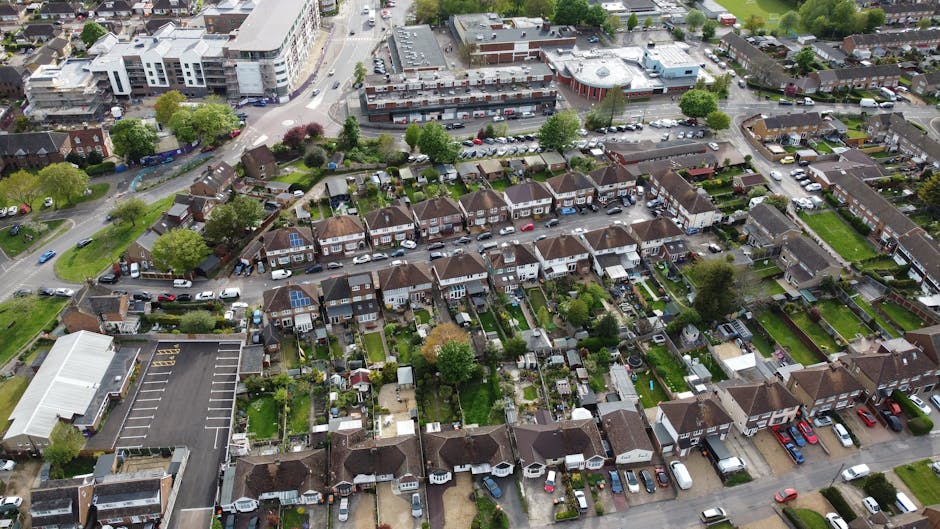
Sipson is a village in the London Borough of Hillingdon, close to Heathrow Airport and positioned on the western side of Greater London. Historically it was a distinct settlement in Middlesex, and parts of its older character remain visible in the village layout and the surviving historic buildings around the centre. The locality is closely associated with the road network that links Heathrow, Harmondsworth, Harlington and the surrounding western suburbs, yet it still retains a separate identity from the airport complex immediately to the east. Its parish church, St Mary the Virgin, is a notable landmark and an important reminder of the area’s long pre-airport history. The church and nearby structures contribute to a village feel that contrasts with the large-scale infrastructure beyond the settlement edge. The locality also sits within a landscape shaped by transport corridors, open stretches of land and former agricultural use, which helps explain why the older village core appears compact and comparatively traditional. The name Sipson is now familiar to many people because of its proximity to Heathrow, but the place itself is older than the airport and has roots that reach back through earlier centuries of settlement in west Middlesex. That combination of historic village character, changing land use and major modern transport links makes it a distinctive part of the borough.
Household removals with a straightforward plan

When customers want a more complete move, our household removals approach is still based on the same careful principles: load the van logically, protect fragile items and keep the sequence of work easy to follow. The difference is scale. More of the contents may be travelling, and the job may need stronger planning around timing, room order and access. Even so, the aim remains a practical one: to move belongings safely and without unnecessary handling.
House moves can involve furniture, boxes, white goods and items that need to be kept together as a group. That means the move benefits from a basic inventory, even if it is only a short one. It is easier to load and unload if the heaviest objects are known in advance and the items that must stay upright are identified early. Some customers prefer to manage the packing themselves, while others want assistance with the heavier or more awkward pieces. Both approaches can work.
Our home moves page is useful if you want a broader domestic moving service, and the house removals page covers a more traditional moving job where a property’s contents are being transported in a more structured way. If you need a tailored arrangement, send the details and ask for a quotation when ready.
Working safely with access, stairs and heavier items
Any move becomes easier when the access route is understood before the vehicle arrives. Narrow entrances, shared hallways, upper-floor properties and difficult parking all shape the handling plan. Heavy items need to be lifted with control, and awkward shapes require extra care so that walls, floors and door frames are not damaged. For that reason, the work is never only about the vehicle; it is also about how the property is approached.
We take a measured approach to loading so that items are placed securely and can be removed in a sensible order. If a piece is particularly large or difficult, it may need to be moved separately from the rest of the load. That does not automatically make the job complicated, but it does mean the arrangement should reflect the item itself rather than a generic moving template. The safest move is usually the one that respects the limitations of the load.
For customers comparing related services, our moving van and removal van pages can help if the main question is about vehicle-based moving rather than a broader removals package. A brief message with the essentials is enough to begin.
What to include when you ask for a quotation

A useful quotation request does not need to be long, but it should answer the main practical questions. Please include the pickup area, the destination, the items involved and any access issues such as stairs, restricted parking or tight entrances. If you know there are fragile or unusually shaped pieces, mention those too. That information allows the job to be understood properly before any plan is put together.
It can also help to say whether you need the work done as a single journey, whether there are multiple stops, or whether the items are going into storage first. If you only have a rough list, that is still a good starting point. A concise description is often enough to decide whether the move is a light load, a furniture collection, a partial household move or a more structured domestic removal. From there, the next step is simply to ask for a quotation.
For a direct enquiry, use our contact us page when you are ready to share the details and request a quotation. If you want to compare pricing first, our pricing and quotes page may be the place to start before you send the job through.